



How to knit a raglan from the neckline.
Added: 03.02.2016 в 01:56 Views: 41042
How to knit a raglan from the neckline.Klubokhttp://klubok.work/1/203/6168/Klubokhttps://klubok.work/css/image/top-logo-en.png

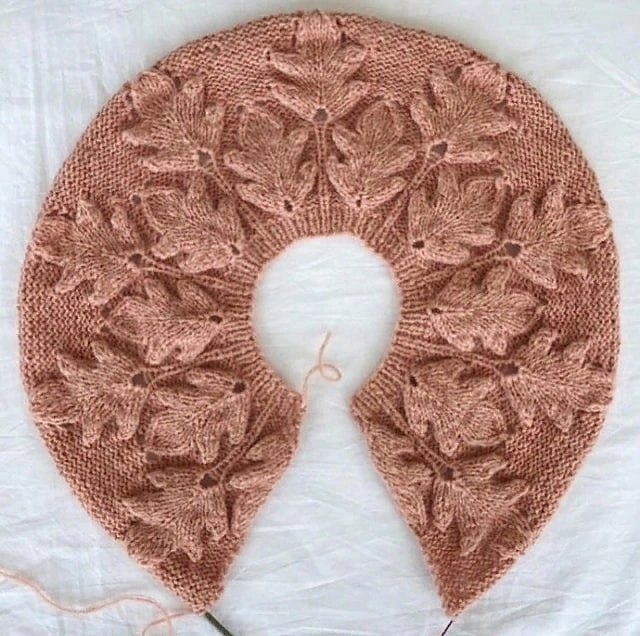
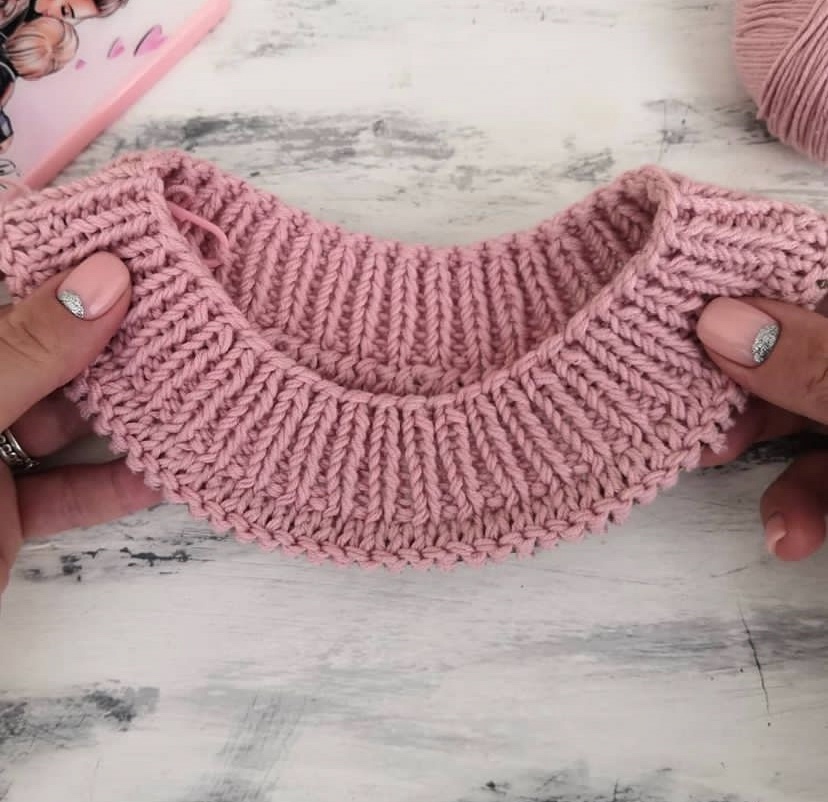
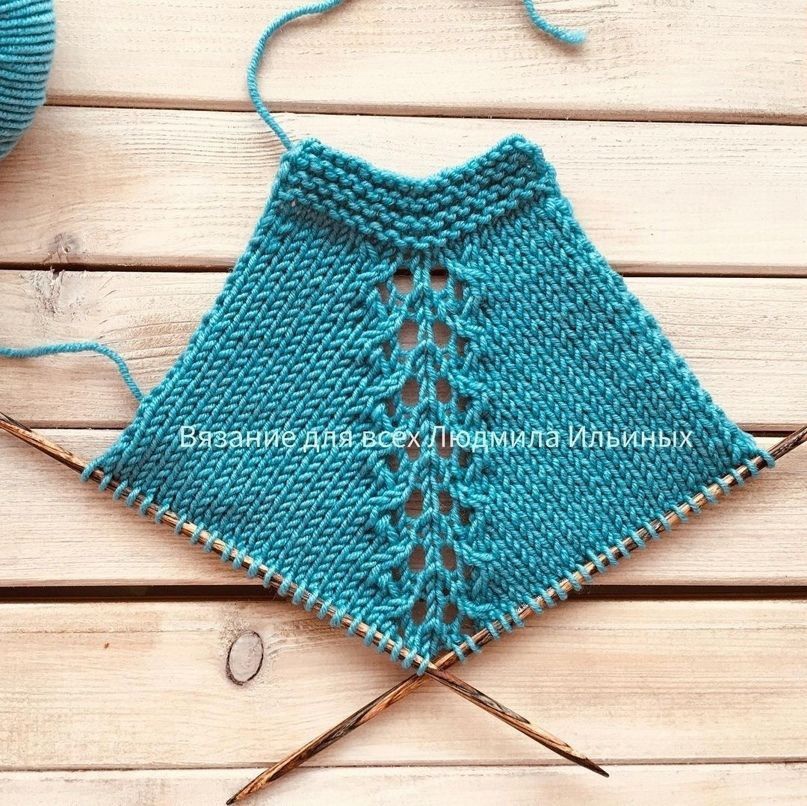
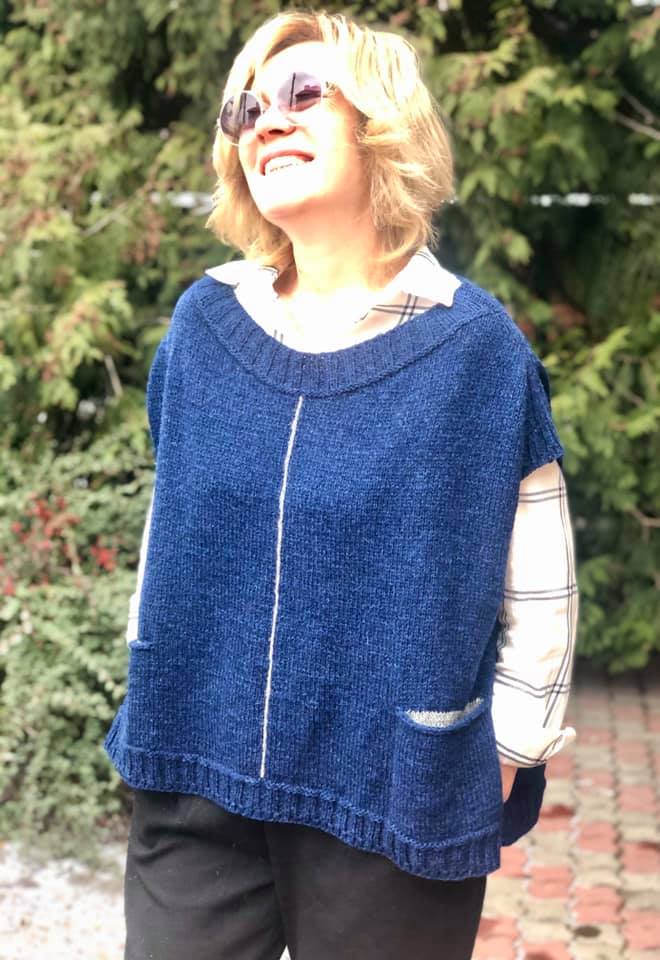
Knitting from the neckline has several advantages: there are no seams, which is especially important when knitting items for babies, there's no need to spend time sewing parts together, the length of the item can be easily changed, and there are fewer ends of yarn that may be useful when unraveling the product. The disadvantages of this method include a large number of stitches in work and limitations in the choice of patterns (not all patterns can be knitted in the round). For knitting a raglan from the neckline, circular needles are usually used. Before starting to knit, it is necessary to make calculations. We knit a swatch. We calculate the knitting density. We measure the neck circumference. Let's take a knitting density of 2.2 stitches per 1 cm. For size 48, the neck circumference is 36 cm. Thus, the number of stitches for work is 3.6 cm x 2.2 p. = 79 stitches. We divide this number of stitches into 3 parts - 79 p. : 3 = 26 p. with a remainder. We add the resulting remainder to the front stitches: that is, 26 stitches for the back and sleeves and 27 stitches for the front. From the sleeve stitches, we subtract the stitches for the raglan lines (2 stitches for each line) - 26 p. - 8 p. = 18 stitches and divide them by two - 18 p. : 2 = 9 stitches for each sleeve. If there is a remainder when dividing, we also add it to the front stitches. As a result, we have: 26 stitches for the back, 9 stitches for each sleeve, 27 stitches for the front, and 2 stitches for each of the four raglan lines. For convenience, we put these calculations on a diagram: Knitting the raglan. When knitting the raglan, it is necessary to take into account that the neckline of the back is higher than the neckline of the front. Therefore, we cast on the stitches for the beginning of the knitting as follows: 1 stitch for the front, 2 stitches for the raglan, 9 stitches for the sleeve, 2 stitches for the raglan, 26 stitches for the back, 2 stitches for the raglan, 9 stitches for the sleeve, 2 stitches for the raglan, and 1 stitch for the front. We mark the raglan lines with contrasting yarn or marking rings. We knit in straight rows, adding a few stitches every other row from the neckline side (the number of added stitches will determine the depth of the neckline). At the same time, we make increases on the raglan lines every other row. We continue to knit until we have the desired number of stitches - 27 stitches plus 1 stitch for symmetry. Then we join the knitting in the round and knit, adding stitches on the raglan lines. The length of the raglan lines should be 30-32 cm for size 48. To avoid mistakes, we try it on: the raglan lines of the back and front should meet. We transfer the sleeve stitches to additional needles or to spare yarn, evenly distributing the raglan line stitches among all parts. We combine the front and back stitches and knit to a certain length in the round (we no longer add stitches!) The sleeves can be knitted in straight rows, but if you want the sleeves to be seamless as well, it's better to knit them on double-pointed needles. Don't forget about the sleeve slopes; make decreases every sixth row. When the sleeves are ready, all that’s left is to finish the neckline. If a closure needs to be made in the front, then we divide the front stitches in half and add stitches for the placket. How can we decorate the raglan lines? The simplest raglan lines consist of 1-2 knit or purl stitches. Increases are made using yarn overs. If the yarn over is knitted as a regular stitch, holes will form along the raglan line. If you want to avoid holes, the yarn over should be knitted as a twisted stitch.