



By the age of two, a child normally communicates with adults using short sentences. The active vocabulary (the words they use themselves) reaches 200 - 300 words.
The vocabulary consists mainly of nouns, names of objects, animals, plants, names of close relatives, and toys. There are fewer verbs, action words, and movement words. There are also a few adjectives, definitions, and names of colors, sizes, tastes, and temperatures.
When a child speaks little, is unclear, or communicates with gestures, it is necessary to help them start speaking. We suggest 5 types of games and exercises with items that are available at home and do not need to be specially purchased.
What to do:
1. Finger gymnastics
Develop fine motor skills of the fingers.
The poems for finger gymnastics are short and understandable. The child remembers movements associated with words and learns to switch from one action to another.
Texts for finger gymnastics can be found in children's books and freely available on the internet.
2. Articulation gymnastics
It is necessary to train the tongue, lips, and cheeks. The child should be taught to perform movements with the tongue, alternating them. This way, they learn to feel their articulatory organs, sense their position, and control their movements.
At the very beginning, introduce 1 - 2 exercises. For example, "Little fence" - with closed teeth, smile widely. At the same time, do not tense the eye and forehead muscles. Hold for a few seconds.
"Trunk" or "Elephant" - with closed teeth, stretch the lips forward. As if the trunk is very long. Hold for a few seconds.
Repeat each exercise 5 - 6 times.
On the second day, add "Pancake" - smile, slightly open the mouth, and place the tip of the tongue on the lower lip. We are baking a pancake, baking, baking, and put it away. We ate the pancake. We will bake another one for mom, for grandma, for dad, for sister.
The best time for articulation gymnastics is when the child is alert and in a good mood. It can be done in the bathroom after the evening tooth brushing. You can turn on a video on the front camera so the child can see themselves.
More exercises for developing articulation can be found on speech therapy websites and portals.
3. Games with objects
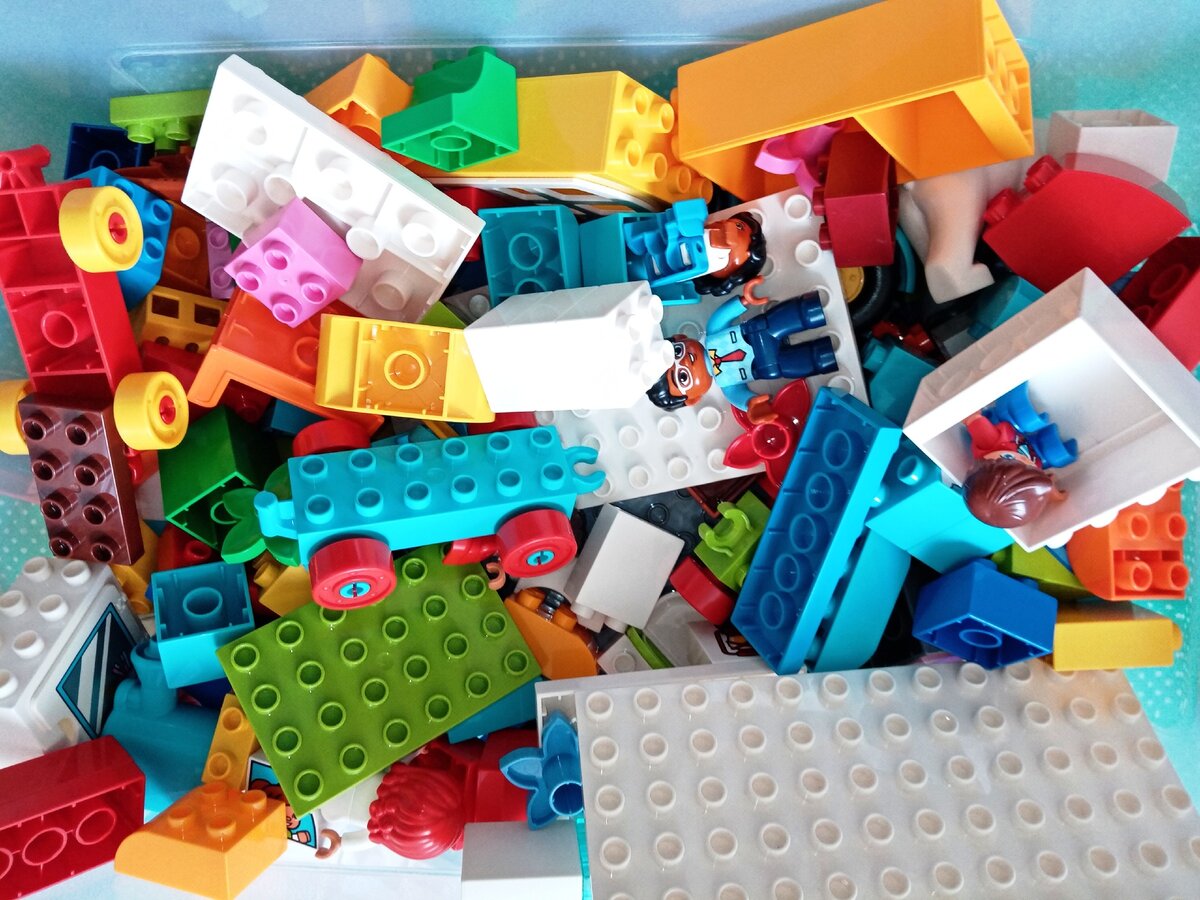
Remember your childhood. What did you love to play? What storylines? Playing house or building a castle with blocks for a princess?

Play with toys in other storylines. Take the hero to the zoo by car. Explore the inhabitants of the zoo. You can hide the fox in a box or cover it with a napkin.
Where is the fox? Who is hiding there? Who is sitting?
Speak all actions out loud. Tomorrow your little one will demand to go to the zoo again ))
4. Development of fine motor skills
Speech is at the tips of the fingers - this expression is often used in pedagogy and psychology. And it has its right to exist.

Games with small objects, sorting beans or peas. Decorate a piece of dough with beans - decorate a cake for a bunny. Games with clothespins. All of this greatly develops the child and forms their visual-motor coordination.

5. Reading fairy tales, poems, rhymes, and stories.
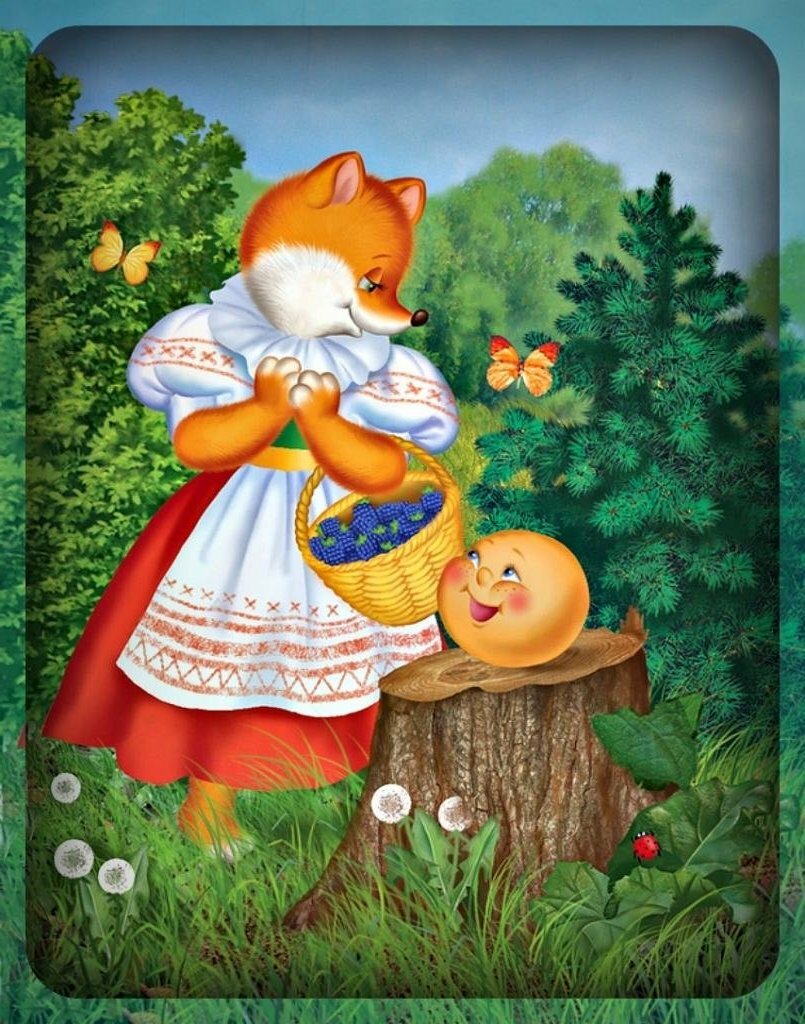
When reading children's literature, pay attention to the illustrations. Ask to show the hero, find out what they are doing. Pay attention to the details of this hero: wet, long ears, a pocket on the dress, or a big blue bow on the head. This way, the child's vocabulary expands and their understanding of speech develops.